
The goal of the EU Mission Cancer is to improve the lives of more than 3 million people by 2030 through prevention, cure and enhancing the quality of life for those affected by cancer including their families.
The EU Mission Cancer plans to achieve this aim through a comprehensive approach focused on 4 objectives:
- Understanding cancer – Improve our understanding of cancer by studying its biology, risk factors, prevention methods, and developing new screening techniques.
- Prevention and early detection – Enhance cancer prevention through lifestyle interventions, vaccination programs, and develop affordable early detection tools and programs to diagnose cancer at earlier stages.
- Diagnosis and treatment – Optimise cancer diagnosis and treatment by supporting research into new therapies, personalised medicine approaches, and improving access to innovative treatments across Europe.
- Quality of life for patients & their families – Improve the quality of life of cancer patients and survivors by providing better supportive and palliative care, addressing mental health needs, and ensuring equitable access to high-quality care.
The EU Mission Cancer brings together around 50 EU-financed projects. These are grouped into 8 clusters depending on which of the 4 Mission Cancer objectives they are most closely aligned with.
Within the Understanding Cancer objective, two clusters have been created:
- Understanding (tumour-host interactions) cluster, where SPACETIME has been included
- Understanding (risk factors & determinants) cluster
Understanding (tumor-host interactions) cluster
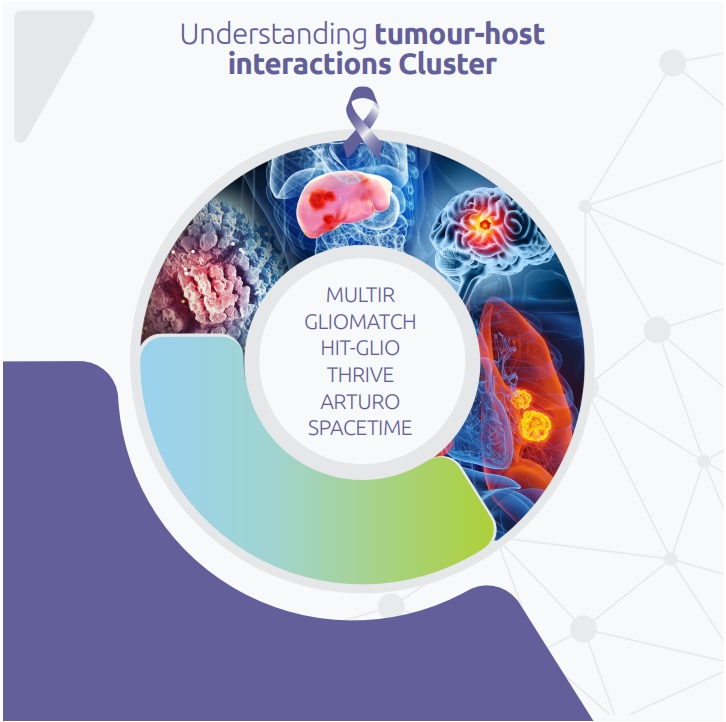
The primary goal of the cluster is to foster synergies among projects with synergistic objectives, conduct joint activities, and mobilize the wider cancer research community. Additionally, the projects will promote exchanges with citizens, including patients, to involve them and consider their perspectives, reduce healthcare inequalities, and improve access to care.
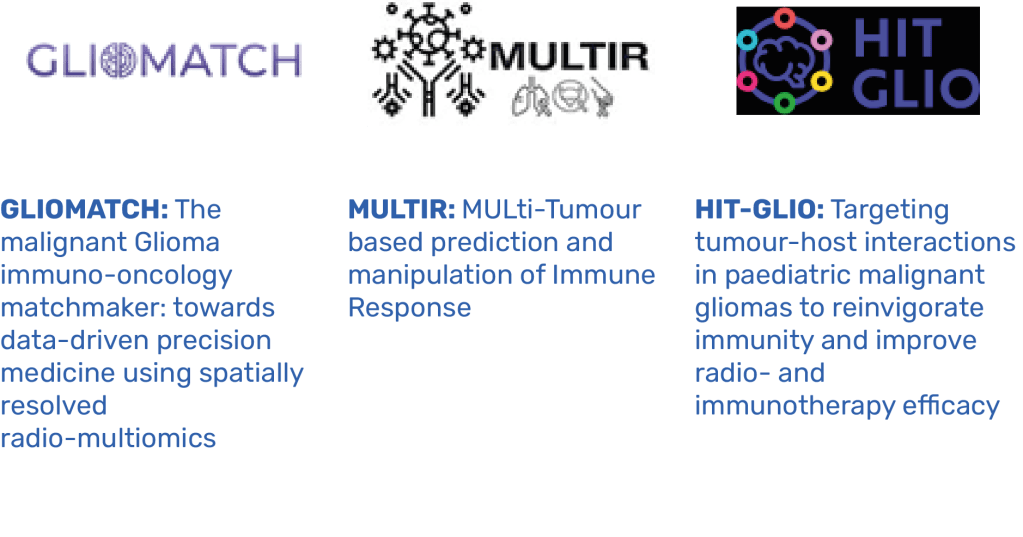
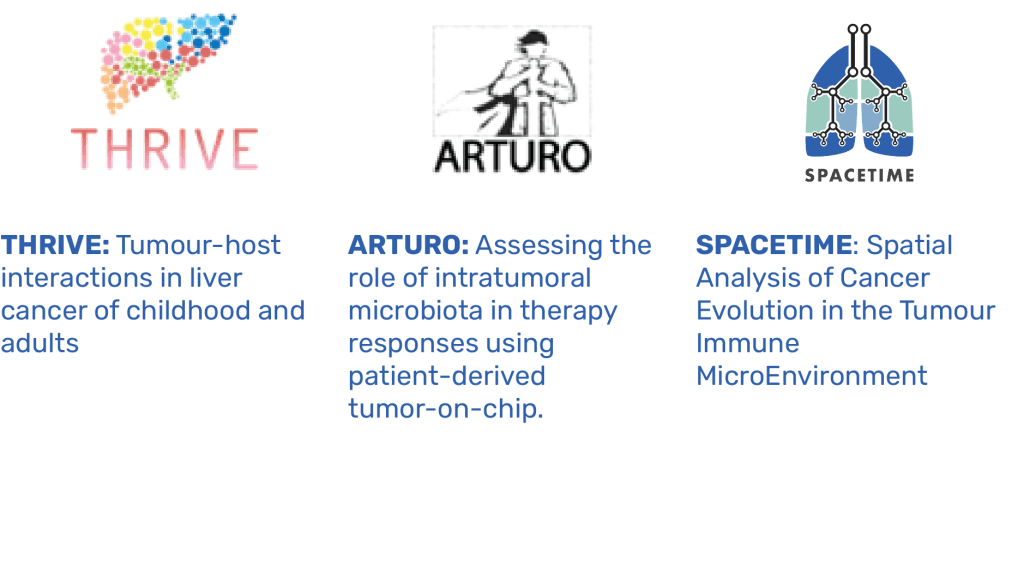
The 6 projects of the Understanding (tumour-host interactions) cluster are:
 SPACETIME_EU Project