The SPACETIME project is an innovative research initiative funded by the European Union under the EU Cancer Mission, from August 2024 until July 2029.
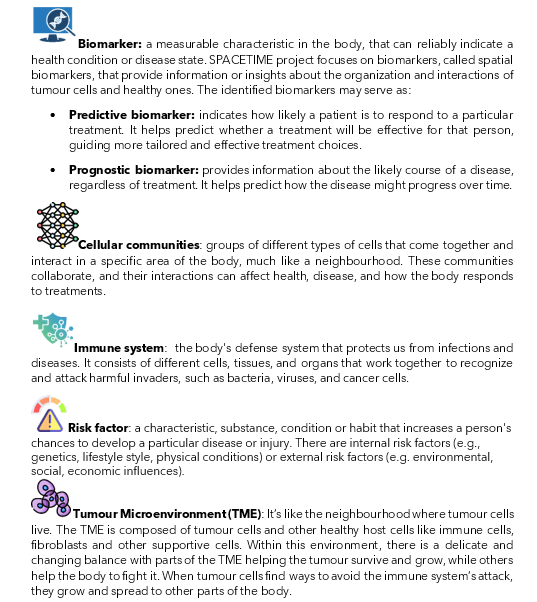
SPACETIME’s research focuses on increasing the understanding of the Tumour Microenvironment (TME)’s role in non-small cell lung cancer (NSCLC), one of the most common types of lung cancer. The TME is a complex ecosystem surrounding the tumour that includes not just cancerous cells but also a variety of healthy, supporting cells. The tumour doesn’t develop in isolation but interacts with the surrounding cells in a highly dynamic way. The cells around a tumour are not randomly scattered. Instead, they form specific groups, called cellular communities, which can change as the disease progresses and are different in each patient. Often, tumour cells manipulate the behaviour of immune cells, creating a protective “shield” that helps the tumour evade detection by the immune system.
Using advanced imaging technologies, this project looks at how the TME is structured (its spatial organization) and how it changes over time (temporal evolution). Its goal is to understand how patient-specific TME differences affect how treatment works and how risk factors may impact the tumour’s ability to hide from the immune system and grow. Additionally, it seeks to identify biomarkers that reveal TME organisation to predict how well a treatment will work, and/or monitor tumour progression.
Why SPACETIME is relevant to people impacted by lung cancer?
SPACETIME is dedicated to transforming the landscape of lung cancer care by tackling some of its most pressing challenges. Through innovative research and co-creation with patients as active partners, the project aims to drive progress toward meaningful, long-term improvements in patient outcomes. SPACETIME’s mission is not just to treat lung cancer—but to redefine how we understand, prevent, and manage it.
Key expected contributions include:
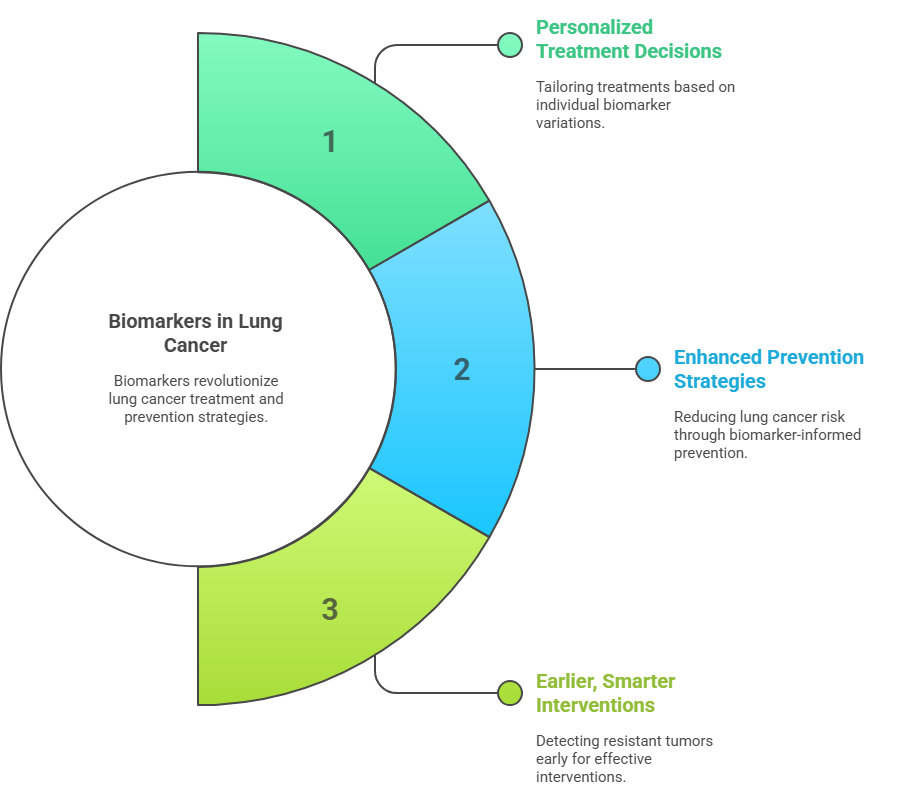
- Personalized Treatment Decisions: Identifying biomarkers enables doctors to tailor treatment plans to individual patients based on variations in the TME. This approach aims to improve survival rates and quality of life while minimizing harmful side effects.
- Enhanced Prevention Strategies: Informing public health initiatives by identifying and reducing exposure to key lung cancer risk factors.
- Earlier, Smarter Interventions: Supporting the early detection of lung tumours that may develop resistance to the immune system, allowing for timely and more effective treatment decisions.
The role of Patient Advisory Board in the project
The SPACETIME Patient Advisory Board (PAB) is a team of five members from across Europe, each bringing their unique experience in lung cancer advocacy. By leveraging their lived experiences, PAB members provide valuable insights that help keep the project focused on what truly matters to people affected by lung cancer.
People living with lung cancer—and those who care for them—are at the heart of the SPACETIME project. Coordinated by Lung Cancer Europe (LuCE), one of the consortium’s partners, lung cancer patients, carers and advocates participate in the SPACETIME as part of Patient Advisory Board (PAB).
PAB plays an active role in the project by:
- Guiding clinical applications: offering perspectives on how to integrate the future SPACETIME biomarker test into clinical practice, through the development of guidelines and design of future clinical trial
- Engaging in multistakeholder dialogues: sharing real-world challenges and helping shape recommendations to improve lung cancer policy.
- Supporting communication efforts: translating complex science into clear, accessible information for the patient community
The ultimate goal is to ensure that SPACETIME’s results translate into real improvements in care, treatment, and quality of life for all those affected by lung cancer.
Our Patient Advisory Board Members
Our Patient Advisory Board (PAB) members — Thanasis Akalestos, Jan Clark, Nicoline Ehrhardt, Korina Pateli Bell and Pilar Muñoz— each bring unique expertise and a shared commitment to the SPACETIME consortium’s mission. Get to know them below!
Thanasis Akalestos
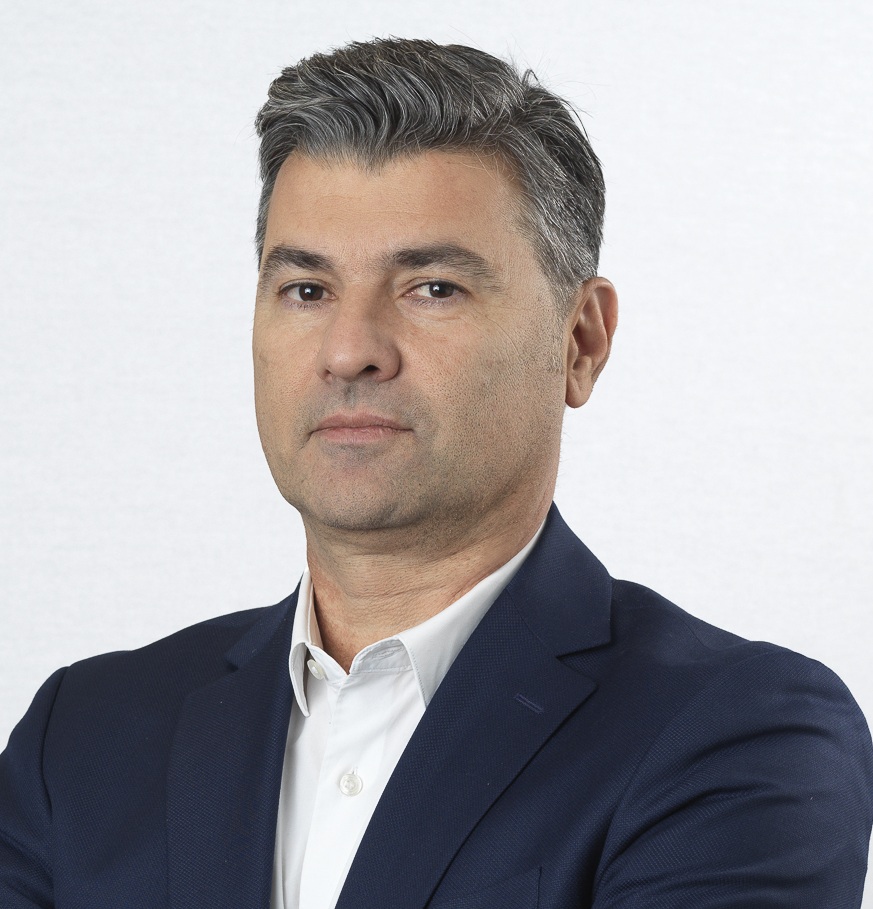
Thanasis Akalestos is a visionary healthcare leader with over 20 years of experience spanning medical affairs, access, and policy. Previously at Roche Diagnostics, he spearheaded transformative oncology and cancer screening initiatives like the GRECOSELF study
on HPV-DNA testing and the award-winning “forHER” campaign for women’s cancer awareness. His strong collaborations with patient advocacy groups and scientific societies have driven early detection programs and improved access to cancer care. Thanasis has also championed healthcare transformation projects, leveraging technology to enhance patient journeys and optimize care delivery. With a Master’s in strategic communications and a solid scientific foundation, he excels at building partnerships and leading cross-functional teams to deliver patient-centered solutions. His unwavering dedication to public health and comprehensive expertise continues to shape a more equitable future for cancer patients and communities.
Jan Clark is Secretary and Co-Founder of Oncogene Cancer Research Charity based in the UK. Jan has over 40 years’ experience working within the Med tech Industry, latterly focusing on medical discovery and diagnostics. She is connected to ALK+ lung cancer community through one of her four daughters who was
diagnosed aged 20 in 2020. Jan attends major industry conferences and has led several fundraising campaigns for research resulting in significant funds being allocated to important projects. Jan is passionate about raising funds for more vital Research within the Oncogene space and advocating for other people. She was previously a trustee at another ALK charity.
Nicoline Ehrhardt
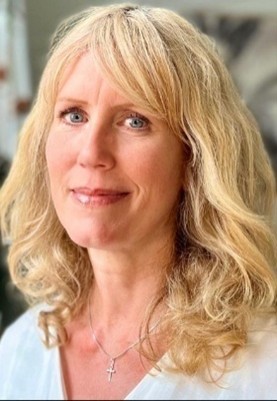
Nicoline Ehrhardt is a German patient advocate with a focus on oncogene-driven lung cancer, personalised therapies and research. In 2022, together with other European patient advocates, she founded ALK Positive Europe e.V., a platform for European ALK+ associations and ambassadors. She is the President of this organisation. In 2022, together with other European patient advocates, she founded ALK Positive Europe e.V.,
a platform for European ALK+ associations and ambassadors. She is the President of this organisation. She is a board member of zielGENau e.V., a German association for lung cancer patients with oncogene-driven lung cancer, since 2022.
Nicoline is also a co-founder of ALKpositiv Deutschland, a German patient network for patients with ALK-positive NSCLC.
She is active in patient councils, advisory boards and steering committees in the field of NSCLC. Outside of advocacy, she works as a coach and mediator.
Korina Pateli Bell
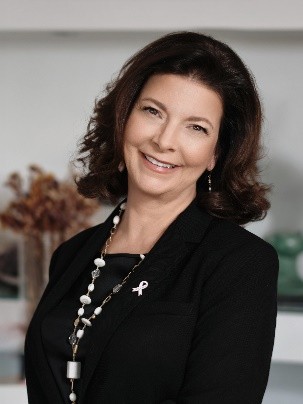
Korina embarked on her professional journey in tourism and shipping before transitioning to Communication and Marketing in 1988. For nearly two decades, Korina served as the Corporate Communications Director at Fiat Chrysler Automobiles Greece. Throughout her career, Korina actively engaged in implementing various Corporate Social Responsibility (CSR) initiatives with social and cultural impacts, earning numerous corporate and personal distinctions.
In 2020, Korina founded FairLife Lung Cancer Care, the only non-profit organization dedicated to lung cancer in Greece, following her late husband’s diagnosis and passing. Through FairLife L.C.C., she provides unwavering support and education to individuals and families affected by lung cancer.
Korina’s advocacy extends to her roles as Treasurer on the Board of Lung Cancer Europe (2021–2023) and as a Patient Research Advocate through the STARS program implemented by IASLC. She actively advocates for lung cancer early screening, equitable access to treatments, and increased funding for research.
Under her leadership, FairLife’s actions and impact have been widely recognized, earning the title of ‘Organization of the Year for 2024’ and receiving a total of 15 awards and distinctions in just four years, reflecting its commitment to saving lives. Korina’s dedication has earned recognition from the healthcare and lung cancer community in Greece, inspiring her team and volunteers to strive towards a world with reduced incidence of lung cancer. She effectively communicates advocacy messages through public speaking engagements, catalyzing positive change in lung cancer care both domestically and internationally.
Glossary of scientific terms
 SPACETIME_EU Project